What Is Effective Communication in the Workplace?
Business communication takes place across multiple channels—from face-to-face meetings and presentations to email, messaging platforms and virtual collaboration tools. For organisations to perform at their best, communication must be clear, intentional and adapted to the medium and audience.
Effective communication is not just about delivering a message; it is a two-way process. Active listening and empathy are essential skills that enable individuals to understand different perspectives, reduce misunderstandings and build stronger professional relationships. Teams that communicate well are more aligned, more engaged and more productive.
In today’s fast-paced work environments, clarity and simplicity are critical. Messages should be structured, concise and outcome-focused, ensuring that recipients can easily understand expectations and take appropriate action.
Communication Skills That Drive Collaboration, Trust and Performance
High-performing teams are built on strong communication foundations. This includes verbal, non-verbal and written communication, as well as the ability to adapt tone, language and delivery style depending on the audience and context.
Clarity of message is key. Effective communicators ensure their message flows logically, avoids ambiguity and creates a clear picture for the audience. Tone and body language also play a significant role—posture, eye contact and vocal delivery all influence how a message is received.
Equally important is the ability to ask questions that encourage dialogue rather than shut it down. Positive, open-ended questions foster trust, engagement and collaboration within teams.
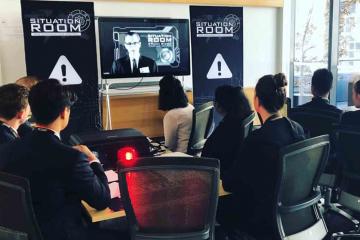
Experiential learning approaches, such as team building activities and business simulations, provide a powerful way to practise and embed communication skills. These environments allow participants to experience real-time feedback, refine their approach and understand the impact of their communication style on others.